



Active filters: History and Heritage
Reset
Krakonoš, mythical spirit of the Krkonoše mountains
Credits: Image generated with AI technology

Krakonoš, Lord of the Krkonoše: the changing face of the mountain spirit

Krakonoš is one of the most recognisable figures in Czech folklore, but his story is more complex than the kindly image made famous by television fairy tales. Born as an unsettling spirit of the Krkonoše, he crosses centuries, languages and cultures: Rübezahl in German, Rýbrcoul in older Czech forms...
Read more
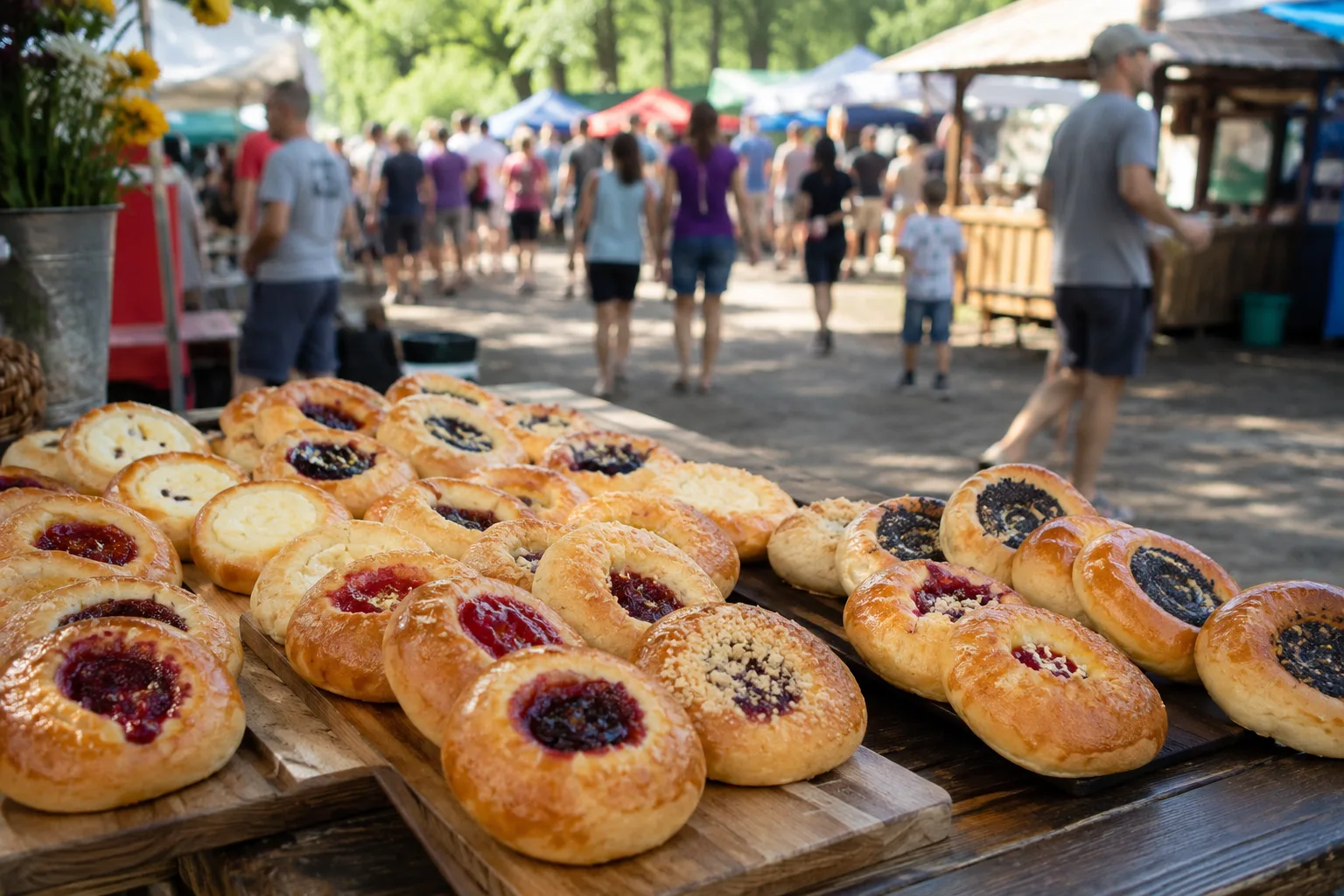
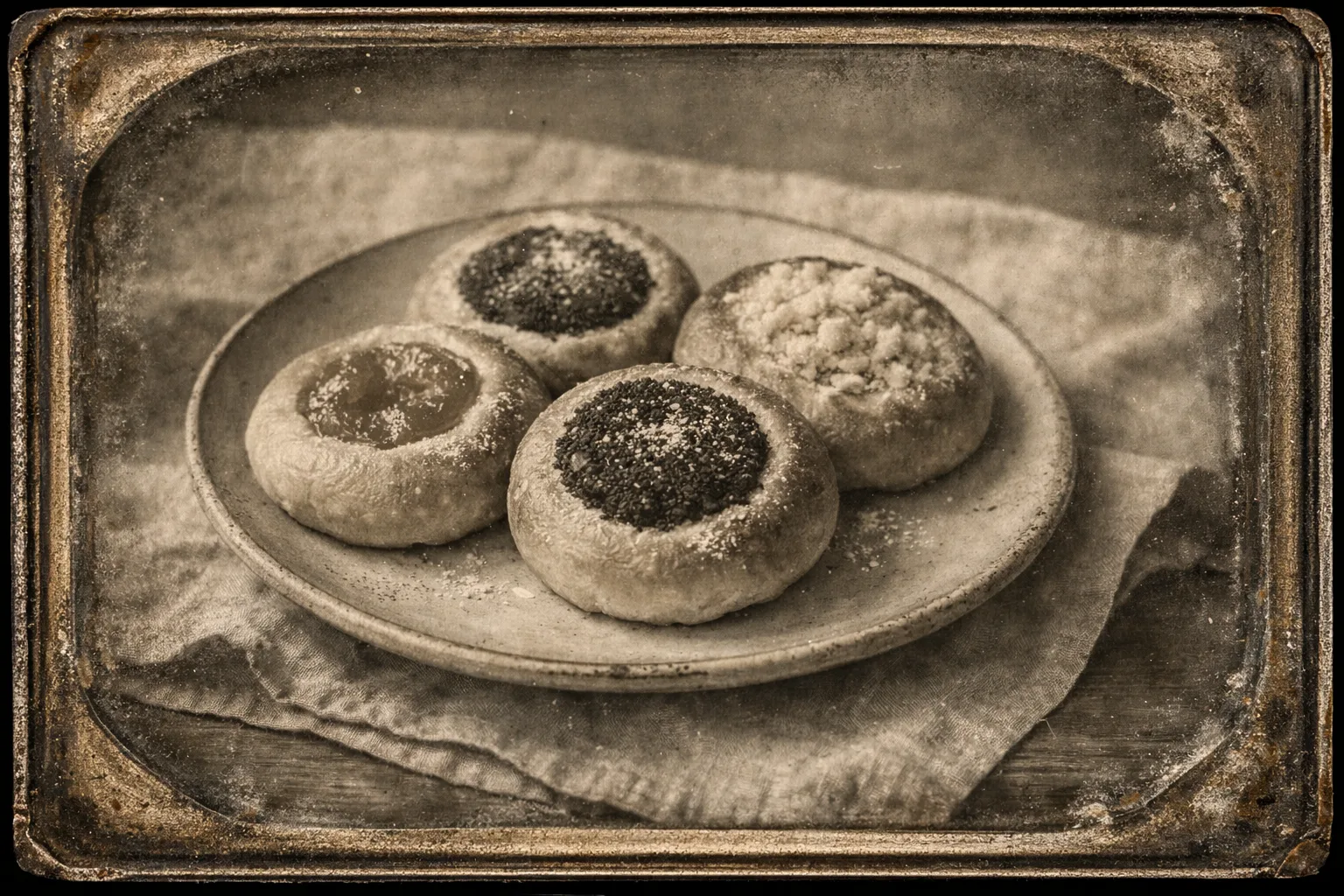
Kolache festival in the United States with pastries, music and a parade
Credits: Image generated with AI technology

Kolache festivals in the United States: when a Czech pastry becomes an American gathering place

In the United States, festivals dedicated to kolaches tell a story that goes far beyond a recipe. Born in communities of Czech descendants, they turn a family pastry into a public celebration: parades, polka music, traditional dress, baking contests, volunteers and visitors. Some have nearly a centu...
Read more
Kolache in America: a Czech pastry that learned English (and Texas)
Credits: Image generated with AI technology

Kolache in America: a Czech pastry that learned English (and Texas)

In America, “kolache” is more than a pastry: it’s an edible cultural passport. It arrives with Czech immigrants, changes pronunciation, sometimes changes shape and fillings, and in Texas becomes a real everyday breakfast. This article follows the journey from the Czech koláč—round, often open-faced,...
Read more
Minnesota: New Prague — a Czech name on the American map
Credits: Image generated with AI technology

Minnesota: New Prague — a Czech name on the American map

New Prague, Minnesota, is one of those Midwestern towns whose name is already a clue. Founded in the 1850s by Bohemian settlers, it grew around land sales, a parish anchored by St. Wenceslaus, and later the railroad, which connected local farming to wider markets. Today its Czech heritage is kept vi...
Read more
The Romanian Banat: Svatá Helena and the (difficult) continuity of minorities
Credits: Image generated with AI technology

The Romanian Banat: Svatá Helena and the (difficult) continuity of minorities

Svatá Helena (Sfânta Elena), in Romania’s Banat, is one of the best-known historic Czech villages still inhabited today. It’s a clear, concrete case of what “minority continuity” really means: language at home and in school, traditions and village life, but also jobs, roads, services, and migration....
Read more
Oceania: communities more than cities (Australia and New Zealand)
Credits: Image generated with AI technology

Oceania: communities more than cities (Australia and New Zealand)

In Australia and New Zealand, Czech presence is usually visible less in “founded towns” and more in organized communities inside existing cities. Clubs, associations, and weekend schools become the places where people meet, keep Czech alive, and help newcomers feel at home. Using official Czech fore...
Read more
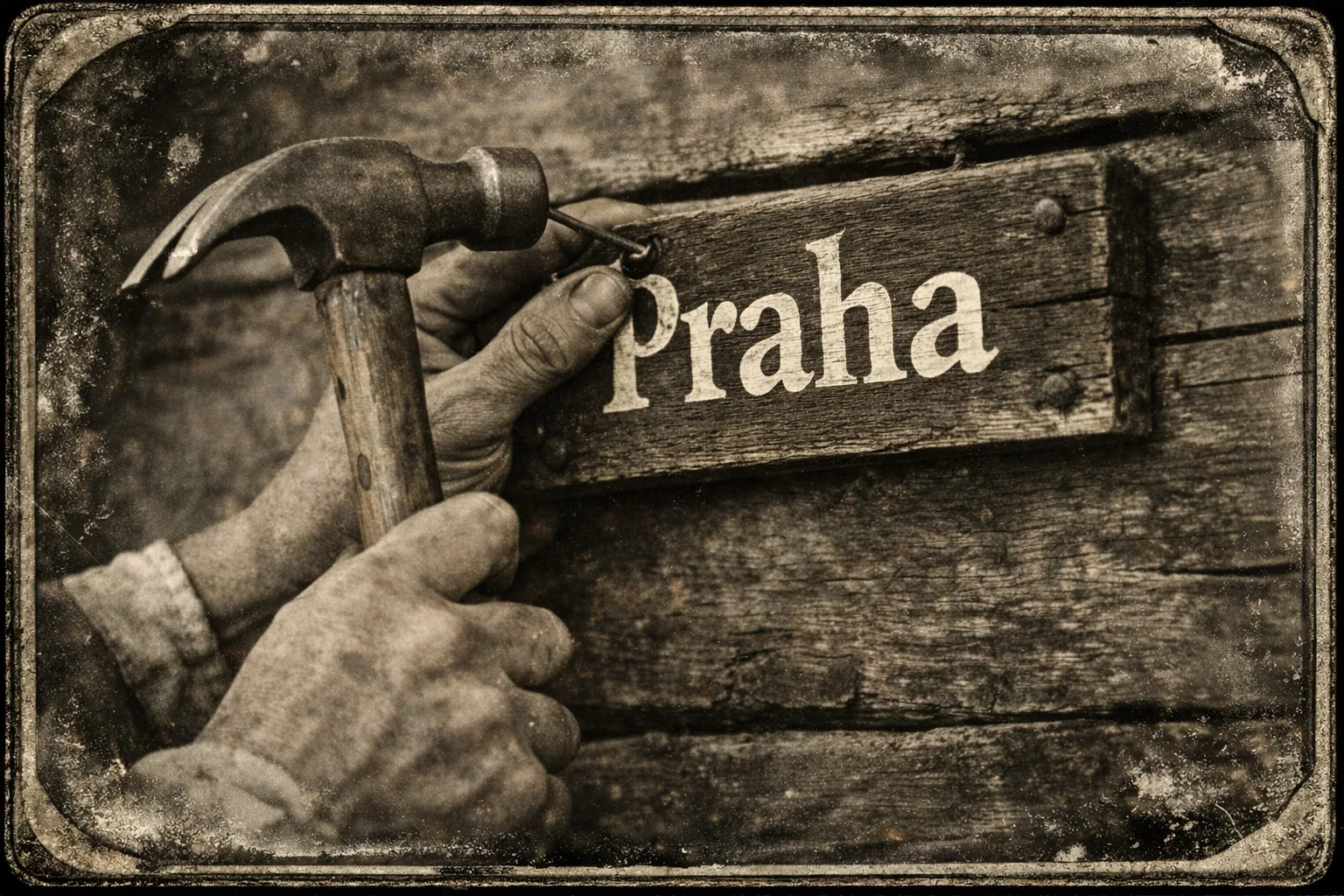
Texas: Praha — renaming to remain yourself
Credits: Image generated with AI technology

Texas: Praha — renaming to remain yourself

Praha, Texas is famous for a simple, powerful idea. Czech immigrants renamed the place “Praha” so the link to their origin would not fade. Over time, the church, festivals, cemeteries, associations, and memorials kept a small community tightly connected. Here the name is not decoration: it is practi...
Read more
South Dakota: Tabor and the idea of a “mother city”
Credits: Image generated with AI technology

South Dakota: Tabor and the idea of a “mother city”

Tabor, South Dakota, is often called the “Mother City of Dakota Czechs.” This article explains—without rhetoric—how that label emerged: the 1869 recruitment effort linked to Frank Bem, the building of institutions, and the way memory became public through places like Beseda Hall and the annual Czech...
Read more
Volhynia: Czech villages, Czech names, and a historical wound
Credits: Image generated with AI technology

Volhynia: Czech villages, Czech names, and a historical wound

Volhynia (Volyň) hosted a dense network of Czech villages created by 19th-century settlers who moved for land and a stable life. They left Czech place-names, schools, churches, and associations in a region where borders later shifted violently. The story turns dark in the 20th century, with occupati...
Read more
Latin America: Argentina (Chaco) and the diaspora as a network of associations
Credits: Image generated with AI technology

Latin America: Argentina (Chaco) and the diaspora as a network of associations

Argentina is often described as the Latin American country with the largest Czech and Slovak-descendant community. In Chaco—especially around Presidencia Roque Sáenz Peña—diaspora is not just ancestry: it is an ecosystem of clubs, schools, mutual-aid traditions, memory projects, and everyday social ...
Read more

Search in Blog